Introduction to Air Conditioning Systems
Air conditioning systems are an essential part of any modern building, whether a home, office, or industrial facility. In this comprehensive guide, we will review all types of air conditioning systems, their advantages, and disadvantages.
1. Split Air Conditioning System
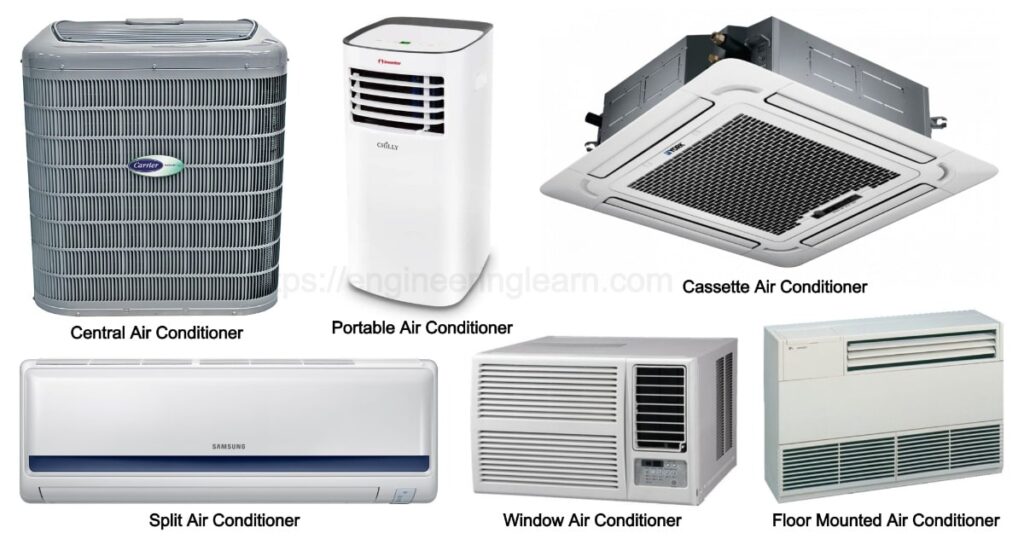
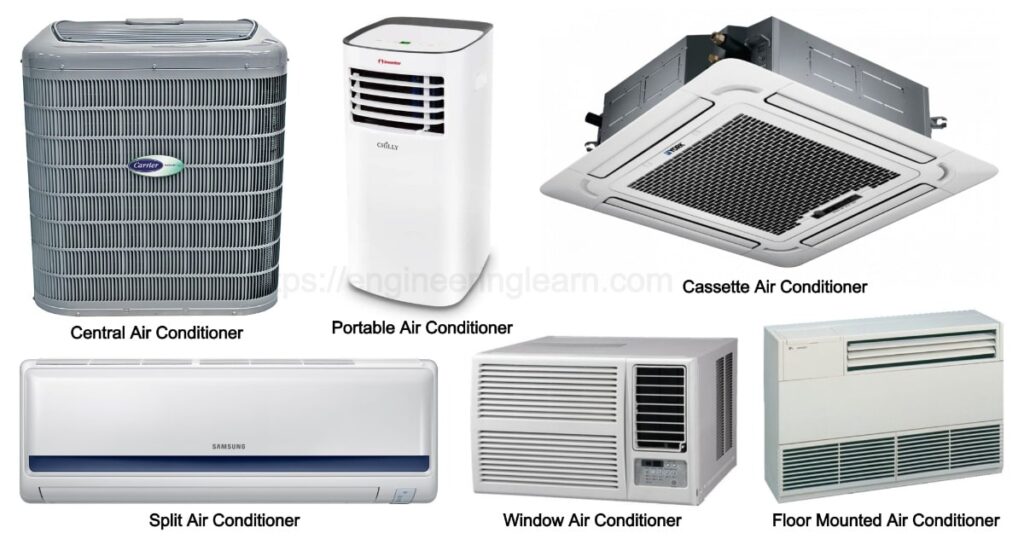
It consists of an indoor unit and an outdoor unit, and is the most common in homes and small offices.
- Advantages: Easy to install, quiet operation, high efficiency
- Disadvantages: Covers a limited area, requires periodic filter maintenance

2. Central Air Conditioning System
Ideal for large buildings and villas, as it distributes air through a network of ducts.
- Advantages: Covers large areas, central control, aesthetic appearance
- Disadvantages: High installation cost, requires pre-design
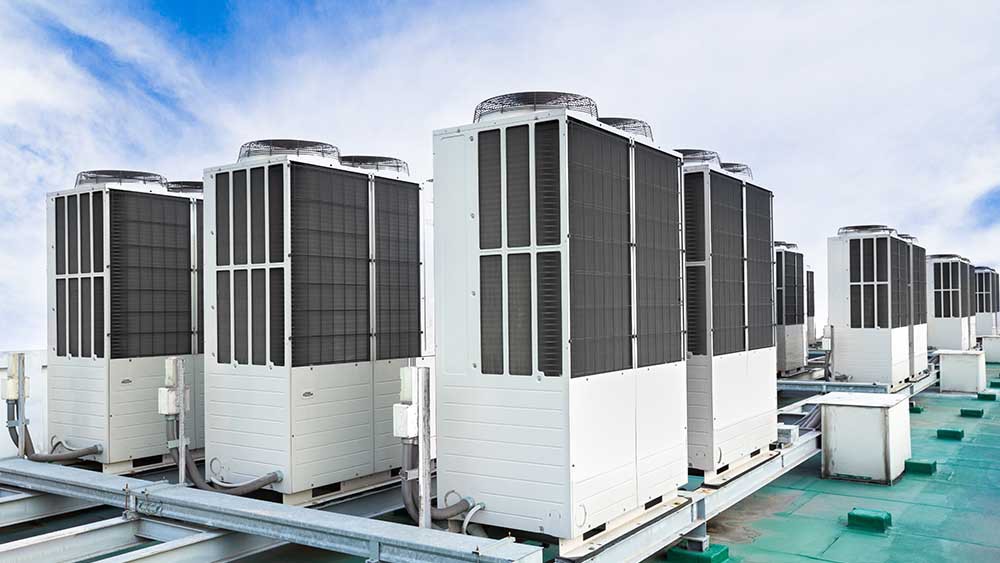
3. VRF/VRV System
An advanced system that allows multiple units to operate at different loads, ideal for commercial buildings and hotels.
Tips for Choosing the Right Air Conditioning System
- Accurately calculate the area to be cooled
- Determine your budget (installation + operation + maintenance)
- Choose a high energy efficiency system (Energy Star)
- Consult a specialist technician before purchasing
Quick Comparison Table
| System | Area (m²) | Approximate Cost | Energy Efficiency |
|---|---|---|---|
| Split | 20-60 | $$ | ⭐⭐⭐⭐ |
| Central | 100-500 | $$$$ | ⭐⭐⭐⭐⭐ |
| VRF | 200-2000 | $$$$$ | ⭐⭐⭐⭐⭐ |
Periodic Maintenance Tips
- Clean the air filter every two months
- Check the refrigerant level annually
- Clean the outdoor unit from dust
- Consult a certified technician every 6 months
💡 Important Tip: Do not turn on the AC immediately after returning from extreme heat; allow natural ventilation first.